Environmental History is Transferred via Minerals Altering Formose Reaction Pathways
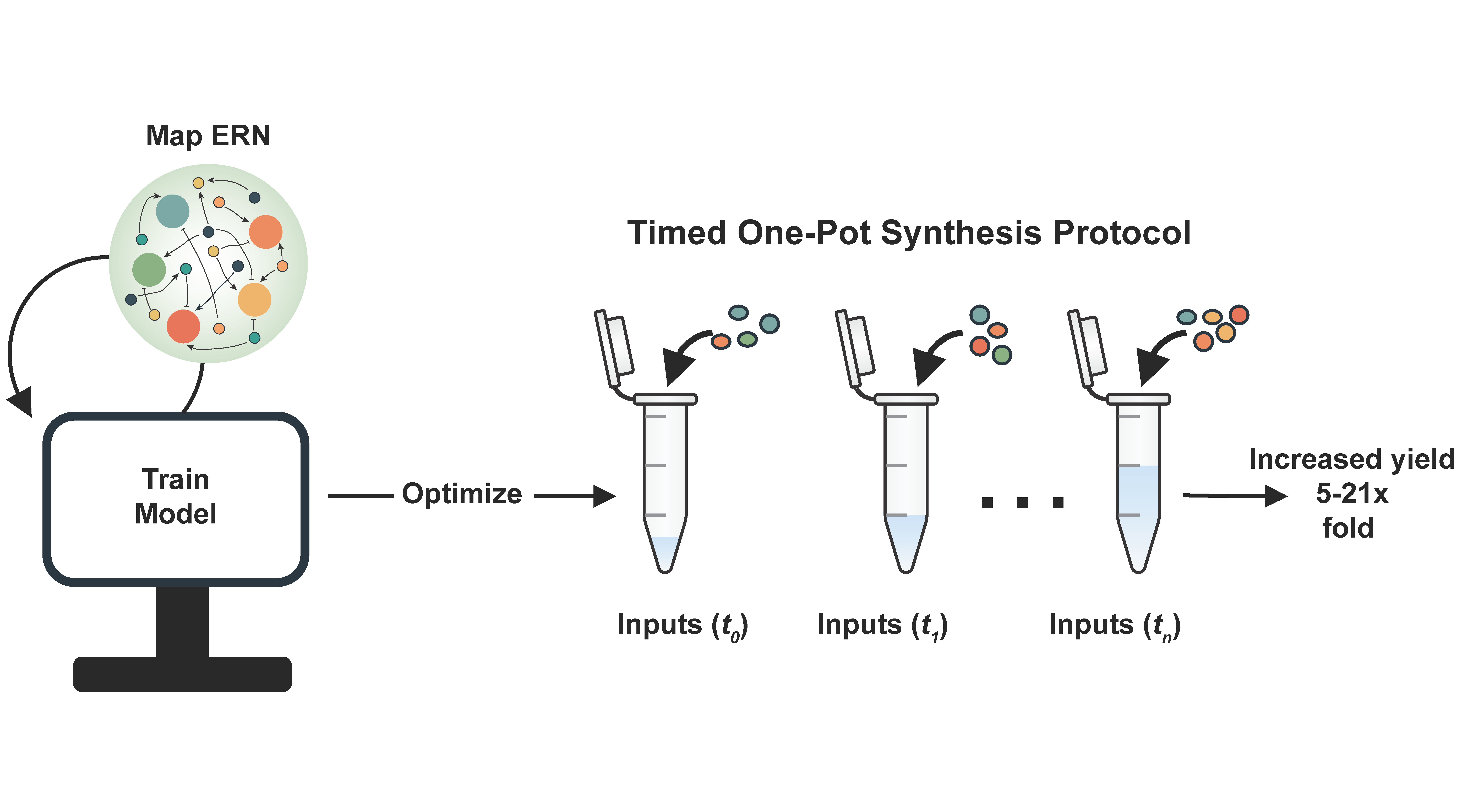
It is generally accepted that minerals were an important source of prebiotic catalysis. In this work we demonstrate how the prebiotic sugar forming formose reaction is guided to unique reaction compositions in the presence of a variety of minerals. When the same mineral is transferred between multiple sequential batch reactions, a new reaction composition is obtained after each reaction cycle. We attribute this effect to the adsorption of catalytic Ca(OH)2 to mineral surfaces. Further exploration shows that first exposing the mineral surface to the aqueous catalyst allows the mineral to subsequently produce formose outputs without the need for any additional catalyst to be present. As such, the mineral surface functions as storage of the preceding environmental conditions. Our work supports the development of chemical complexity through the transfer of information between sequences of chemical environments.